Solar Panel Savings Calculator UK
Thinking about installing solar panels? Our free UK solar panel savings calculator estimates how much you could save on electricity bills and earn through the Smart Export Guarantee (SEG). Enter your system size, current electricity usage, installation cost and self-consumption percentage to see your annual savings, SEG income and payback period at a glance.
Solar panel costs have fallen dramatically over the past decade, making them a viable investment for many UK homeowners. A typical 4kW system generates around 3,400 kWh per year in the UK and can cut your electricity bill by £300 to £500 annually, depending on how much of the generated power you use directly. With payback periods now averaging 10 to 15 years and panels lasting 25 years or more, solar can deliver significant long-term returns. This calculator helps you model the financials before you commit.
How Solar Panels Work and What They Cost
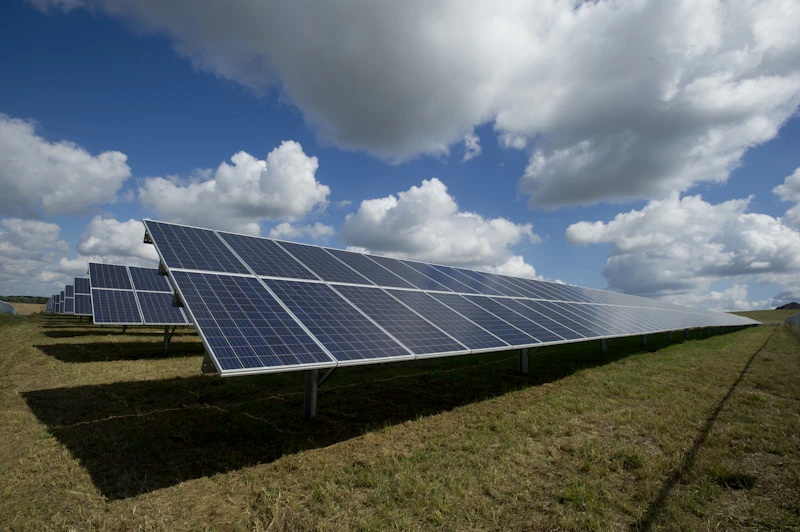
Solar photovoltaic (PV) panels convert sunlight into electricity using semiconductor cells. A typical residential installation in the UK consists of 10 to 16 panels on a south-facing roof, producing a system rated at 3 to 6 kW. Installation costs currently range from £5,000 for a 3kW system to £9,000 for a 6kW system, including VAT at 0% (the government removed VAT on domestic solar installations in 2022).
The amount of electricity generated depends on your location, roof orientation, pitch angle and shading. Southern England receives more sunlight than Scotland, but even northern locations generate meaningful output. The Ofgem Smart Export Guarantee ensures you are paid for any surplus electricity you export to the grid, with rates varying between suppliers.
Maximising Your Solar Investment
Self-consumption is the key to maximising savings. Every kWh you use directly from your panels saves you the full electricity rate (24.5p), whereas exported electricity only earns the SEG rate (typically 4-5p). Running your washing machine, dishwasher and EV charger during daylight hours increases self-consumption. Adding a battery storage system can push self-consumption from 50% to 80% or higher.
To understand how solar fits into your overall energy picture, use our electricity cost calculator to see your current annual spend, then compare it with the savings shown here. If you are also considering an electric vehicle, our EV charging cost calculator can help you model the additional savings of charging from solar.
Is Solar Worth It in the UK?
With electricity prices remaining high and installation costs continuing to fall, solar panels are now one of the most cost-effective home improvements available. A well-sized system typically pays for itself within 10 to 12 years and continues generating free electricity for another 15 years or more. Solar panels also add value to your property and reduce your carbon footprint by around 1 tonne of CO2 per year for a typical 4kW system.
Approximately 800 to 900 kWh per kW per year. A 4kW system produces around 3,400 kWh annually. Output varies by location, roof orientation, pitch angle and shading.
The SEG requires licensed suppliers to pay households for surplus solar electricity exported to the grid. Rates vary from 3p to 15p per kWh. You need an MCS-certified installation and a smart meter.
In most cases, solar panels are permitted development. However, listed buildings, conservation areas or panels protruding more than 200mm from the roof may require permission.
Between 8 and 12 years depending on system size, installation cost, self-consumption and SEG income. After payback, electricity generated is essentially free for the remaining 15+ years.
Battery storage can increase self-consumption from around 50% to 80% or more. Batteries add £2,500 to £6,000. As prices fall and electricity rates rise, the economics are increasingly favourable.
This calculator provides estimates for guidance only. Solar generation figures are based on UK averages and may not reflect your specific location. This is not financial, legal or professional advice. For information on the Smart Export Guarantee, visit Ofgem.