Comparing Running Costs: Electric vs Petrol
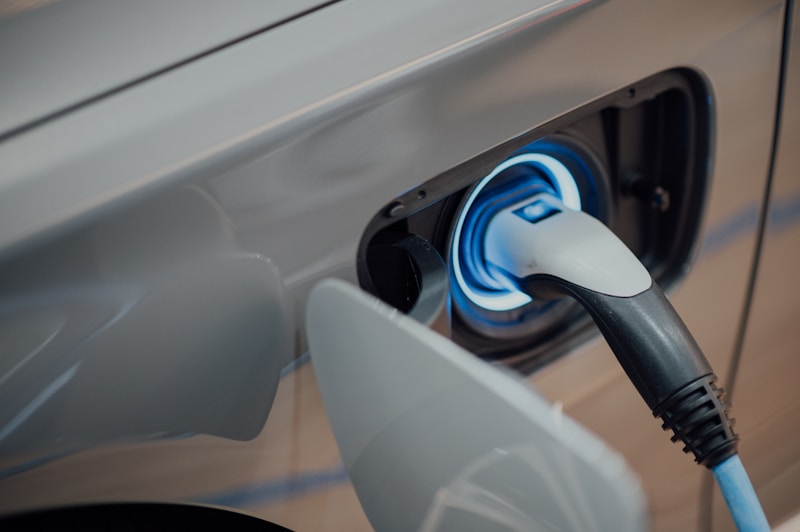
The most significant saving from driving an electric vehicle comes from energy costs. Charging an EV at home on a standard electricity tariff costs roughly 3 to 5 pence per mile, compared to 12 to 18 pence per mile for a typical petrol car. Drivers with access to an off-peak or EV-specific tariff can reduce this further. However, using public rapid chargers is considerably more expensive, often approaching petrol-equivalent costs per mile, so home charging access is a key factor in the financial case for going electric.
Maintenance costs are also lower for EVs because they have fewer moving parts, no oil to change, no exhaust system to corrode and regenerative braking reduces wear on brake pads and discs. Servicing costs are typically 30 to 50 per cent lower than for an equivalent petrol car over the vehicle’s lifetime.
Upfront Costs and Depreciation
Electric vehicles still cost more to buy than equivalent petrol models, though the gap is narrowing as battery production scales up and more affordable models enter the market. The higher purchase price means depreciation in absolute terms can be steeper, though as a percentage of the original price, popular EVs are holding their value well in the used market thanks to strong demand and limited supply.
Government grants can reduce the cost of installing a home charger, currently covering up to 75 per cent of the cost up to a maximum of 350 pounds for eligible households. Salary sacrifice schemes offered by some employers allow you to lease an EV at a significant tax saving compared to taking the equivalent amount as salary, making this one of the most cost-effective ways to drive a new electric car.
Is an EV Right for You?
An EV makes the most financial sense if you can charge at home overnight, cover at least 8,000 to 10,000 miles per year and do not regularly need to drive distances beyond the vehicle’s range without access to rapid chargers. For drivers doing very low mileage or those without off-street parking, the savings may not be enough to offset the higher purchase price within a typical ownership period.
Estimate your fuel spending with our fuel cost calculator, or work out your car’s value over time using the car depreciation calculator. For EV grants, charging infrastructure and road tax exemptions, visit GOV.UK.
This calculator provides estimates for guidance only. Results are based on the figures you enter and typical UK averages. This is not professional, financial, medical or legal advice. Always consult a qualified professional for specific guidance.